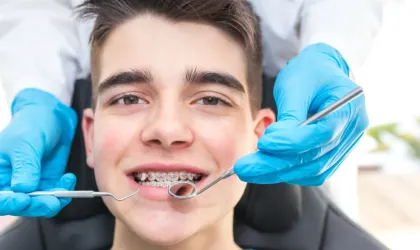
Choosing between Invisalign and traditional braces for orthodontic treatment can be daunting. Both options offer unique benefits, but they also come with specific considerations. Your choice may depend on factors like cost, comfort, aesthetics, and lifestyle. Understanding these differences is key to making an informed decision that best suits your straight teeth needs.
Treatment Time
Invisalign treatment typically requires less time than traditional braces, making it an attractive option for those seeking a more efficient way to achieve a straighter smile. According to Forbes, while conventional braces can take anywhere from six months to five years to deliver the desired results, Invisalign often completes treatment in as little as six to 18 months, depending on the complexity of the case. This is largely due to the innovative clear aligner technology that allows for more precise tooth movements and shorter adjustments.
Invisibility Aspect
Traditional braces are made of wires and brackets that sit on the front of your teeth. Invisalign, on the other hand, offers a more discrete option for straight teeth. Made from clear plastic aligners, Invisalign is virtually invisible, making it an attractive option for those concerned about aesthetics. Additionally, the aligners are removable, allowing for easier cleaning and the ability to eat without restrictions. However, according to our experience, disciplined wearing of the aligners for at least 22 hours a day is crucial for effective treatment.
Cost Comparison
Cost is another factor to consider when choosing between these two options. Traditional braces often cost less than Invisalign treatments. However, insurance coverage and flexible payment plans can sometimes offset the higher expense of Invisalign. It’s important to consult with your orthodontist to understand the financial implications fully. Both options offer payment plans to help make treatment more affordable. Additionally, evaluating the long-term benefits and potential need for fewer follow-up visits with Invisalign can also impact your overall financial decision.
The choice between Invisalign and braces largely depends on your personal preferences, lifestyle, and budget. Traditional braces are effective and often more affordable but come with visible and physical discomforts. Invisalign offers a discreet and flexible option for straight teeth but requires discipline and may come at a higher cost. Consulting with your orthodontist can provide personalized guidance, helping you make the best decision for your orthodontic needs. If you’re in need of a consultation, contact our office at Becker Orthodontics today. Let’s take care of your teeth together.